

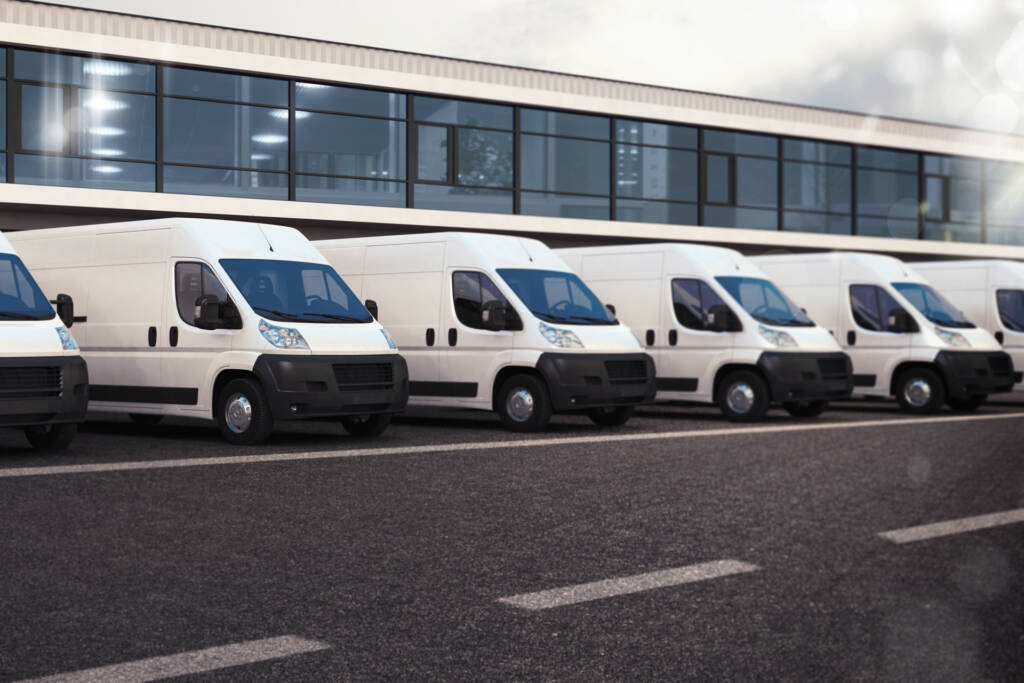
Fleet decisions play a major role in how plumbing companies grow, scale, and remain profitable. Every service call, emergency response, and installation depends on having technicians equipped with reliable, work-ready vehicles. As service areas expand and demand increases, the way a company funds its fleet becomes a strategic decision rather than a tactical one.
For many plumbing operators, the question eventually becomes unavoidable: should we lease our fleet vehicles or buy them outright?
Both models have advantages, but they serve different business needs. Buying offers ownership and long-term control. Leasing provides flexibility, predictable costs, and faster access to standardized vehicles. The right choice depends on cash flow, growth plans, technician needs, and how much operational flexibility the business requires.
This guide breaks down the financial and operational trade-offs between leasing and buying, so plumbing companies can choose the model that best supports uptime, efficiency, and long-term growth.
Why Plumbing Companies Are Re-Evaluating Fleet Ownership
Plumbing companies operate under many of the same pressures as HVAC and electrical contractors. Access to capital can be limited, service demand fluctuates, and technician shortages make productivity more important than ever. At the same time, customer expectations for fast response and reliable service continue to rise.
As companies grow, either organically or through acquisition, fleet decisions begin to affect more than just transportation. Fleet strategy impacts:
- Cash flow and liquidity
- Speed of technician deployment and billable hours
- Consistency across locations
- Maintenance costs and downtime
- Scalability across regions
For private equity–backed plumbing organizations, fleet ownership also affects EBITDA, valuation metrics, and the ability to standardize operations across multiple brands. For self-managed businesses, the challenge is often balancing growth ambitions with limited financing options.
These realities have prompted many plumbing companies to take a closer look at how they fund and manage their fleets, weighing the benefits of leasing over the traditional ownership model.
The Downsides of Buying Plumbing Work Vehicles Outright
Buying fleet vehicles can feel like the simplest option. Ownership provides control, eliminates monthly lease payments, and may seem cost-effective over a long period of time. However, the full cost of ownership is often underestimated.
Below are the most common challenges plumbing companies face when relying on outright vehicle purchases.
1. Significant Upfront Capital Expenditure
Purchasing service vehicles requires a large upfront investment, especially once plumbing-specific upfits are included. A batch of 10 to 25 fully equipped vans can easily tie up hundreds of thousands of dollars.
That capital could otherwise be used to support higher-return initiatives, such as:
- Expanding into new service territories
- Acquiring smaller plumbing businesses
- Hiring and onboarding additional technicians
- Investing in equipment, tools, or facilities
When capital is locked into depreciating assets, it limits financial flexibility and slows growth. This is particularly challenging for companies looking to scale quickly or respond to market opportunities.
2. Long and Unpredictable Lead Times
Buying vehicles does not eliminate procurement challenges. Plumbing companies that purchase vehicles outright are still exposed to:
- OEM production delays
- Limited dealer inventory
- Inconsistent sourcing across regions
- Slow or fragmented upfit timelines
These delays can prevent new technicians from being deployed on schedule. In a labor-constrained environment, having technicians waiting for vehicles represents immediate lost revenue.
Ownership alone does not solve availability issues, especially during periods of high demand or supply chain disruption.
3. Aging Fleets and Increased Downtime
When companies own their vehicles, replacement decisions are often deferred to avoid additional capital spending. Over time, this leads to aging fleets that remain in service longer than they should.
As vehicles age, plumbing companies experience:
- Higher and less predictable repair costs
- More frequent roadside breakdowns
- Longer service interruptions
- Technician frustration with unreliable vehicles
- A declining brand image in the field
The hidden cost of downtime often outweighs the perceived savings of keeping older vehicles in service.
Why Commercial Plumbing Fleets Are Embracing Leasing
Leasing has become the preferred fleet model for many growing plumbing companies. Rather than tying up capital in owned assets, leasing allows operators to align fleet costs with usage, growth plans, and operational needs.
Below are the key reasons leasing continues to gain traction.
1. No Large Upfront Investment
Leasing preserves liquidity by spreading vehicle costs across predictable monthly payments. This minimizes credit strain and allows plumbing companies to allocate capital toward initiatives that directly drive growth.
By avoiding large upfront purchases, operators gain the flexibility to:
- Hire technicians faster
- Enter new markets
- Invest in marketing and customer acquisition
- Pursue acquisition opportunities
For both PE-backed platforms and regional operators, this flexibility is often more valuable than ownership.
2. Faster Access to Plumbing Vans
One of the biggest operational advantages of leasing is speed. Established fleet management partners often provide access to multiple sourcing channels, which may include:
- Ready-to-deploy inventory
- National dealer networks
- Bailment pool access
- Near-new or pre-owned work-ready vehicles
These options complement factory orders by providing flexibility when immediate vehicle access is needed to support hiring or seasonal demand. Faster access to vehicles allows plumbing companies to align fleet availability with hiring plans and service demand.
3. Cost Predictability
Seasonality plays a major role in plumbing operations. Monthly lease payments create a predictable cost structure that simplifies budgeting and forecasting, even when service demand fluctuates.
With leasing, companies gain clearer visibility into fleet expenses and avoid the surprise costs often associated with aging owned vehicles.
4. Standardized Upfits Across the Fleet
Leasing supports standardization by ensuring new vehicles follow approved specifications. Standardized upfits improve technician efficiency and reduce delays caused by customization or vendor inconsistencies.
Benefits include:
- Faster onboarding for new technicians
- Improved job completion times
- Lower per-vehicle upfit costs
- Easier inventory and parts management
For companies operating across multiple locations, standardization creates consistency that ownership models often struggle to achieve.
5. Better Alignment with Growth Plans
Leasing scales with the business. Whether a plumbing company is expanding into new regions, integrating acquisitions, or preparing for private equity interest, leasing ensures fleet performance remains consistent during periods of change.
Flexible terms and structured lifecycle planning allow operators to adapt without disrupting service delivery.
Read More: How Plumbing Companies Reduce Technician Downtime (and Increase Efficiency)
When Leasing Makes the Most Sense for Plumbing Operators
Leasing is not universally right for every situation, but it is particularly effective for service fleets focused on growth and operational efficiency.
Leasing often makes the most sense when a company is:
- Expanding into new service territories
- Scaling through acquisitions
- Growing its technician workforce
- Seeking to improve EBITDA performance
- Managing seasonal demand surges
- Looking for predictable fleet budgeting
- Facing credit or cash flow constraints
In these scenarios, leasing provides speed, flexibility, and control that ownership models struggle to match.
When Buying May Still Work
While leasing is the preferred model for many plumbing companies, buying may still be appropriate in limited cases.
Ownership can make sense for companies that:
- Operate with extremely low annual mileage
- Keep vehicles in service for more than a decade
- Require minimal upfit complexity
- Prefer ownership regardless of total lifecycle cost
These conditions are relatively rare in plumbing operations, which typically involve high utilization, emergency response requirements, and frequent wear on vehicles.
Final Recommendation
For most plumbing companies, especially those prioritizing uptime, scalability, and financial flexibility, leasing delivers stronger operational and financial outcomes than buying.
Leasing supports faster technician deployment, predictable costs, standardized fleets, and improved visibility into fleet costs and planning. For PE-backed organizations, it aligns fleet strategy with EBITDA and valuation goals. For self-managed operators, it provides access to flexibility that traditional ownership often limits.
Choosing the right fleet model is ultimately about supporting growth without sacrificing service quality or financial stability.
Compare Leasing vs Buying with a Custom Analysis
Understanding how leasing and buying compare across the full vehicle lifecycle can reveal meaningful cost and efficiency differences. A customized cost model helps electrical contractors evaluate cash flow impact, replacement timing, and total operating expense.
Calculate your fleet savings to see which fleet strategy best supports your business goals.