

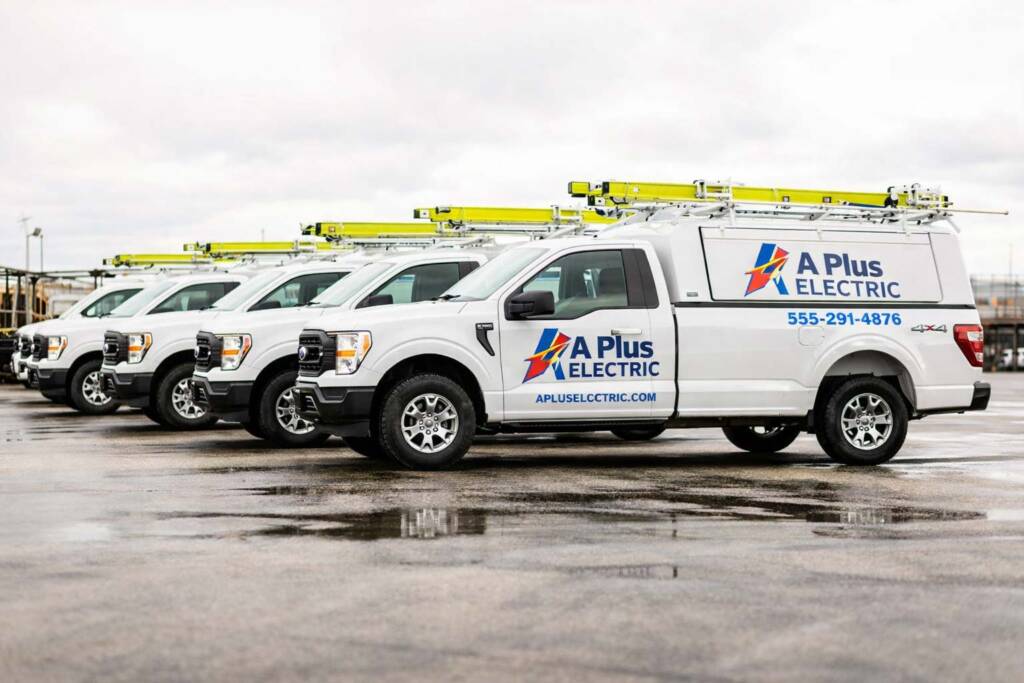
Fleet decisions play a critical role in how electrical contractors manage growth, control costs, and maintain technician productivity. Every service call, installation, and project deadline depends on having technicians equipped with reliable, properly upfitted vehicles. As demand increases and operations become more complex, the way a business chooses to fund those vehicles, through fleet leasing or ownership, becomes a strategic decision rather than a simple purchasing choice.
For many electrical contractors, the question is straightforward but impactful: is it more cost-effective to lease fleet vehicles or buy them outright?
Both approaches can work, but they support different business models. Buying offers ownership and long-term control. Leasing provides flexibility, predictable costs, and faster access to standardized vehicles. Understanding how each model affects cash flow, vehicle reliability, and scalability is essential for making the right decision.
This article breaks down the financial and operational considerations behind fleet leasing versus buying, so electrical contractors can choose the approach that best supports efficiency, growth, and long-term performance.
Why the Decision Matters More Today
Electrical fleets are operating under increasing pressure. Demand for skilled labor continues to rise, project timelines are tighter, and customers expect fast, reliable service. At the same time, labor costs, material prices, and overhead continue to climb.
Fleet vehicles sit at the intersection of these challenges. They are not just a cost center. They directly influence technician productivity, job completion times, and the ability to scale operations.
The decision between fleet leasing and buying affects:
- Cash flow and liquidity
- Speed of technician deployment
- Consistency of vehicle and upfit standards
- Maintenance costs and vehicle-related service disruptions
- Flexibility during project-based demand surges
For contractors expanding into new markets or operating across multiple locations, fleet financing decisions also impact how easily operations can be standardized and managed at scale.
As a result, more electrical contractors are taking a closer look at whether ownership still makes sense or if leasing offers a better path forward.
The Challenges with Buying Commercial Service Vehicles
Buying service fleet vehicles has long been the default option for many contractors. Ownership provides control and eliminates ongoing lease payments. However, the drawbacks of purchasing are becoming more apparent as operations grow, and capital demands increase.
1. Major Cash Expenditure
Purchasing electrical service vans requires a significant upfront investment, especially when upfits are included. Outfitting vehicles with shelving, conduit racks, ladder systems, power inverters, and safety equipment adds meaningful cost on top of the vehicle purchase itself.
When organizations buy vehicles in batches, capital is quickly tied up in depreciating assets. That capital could otherwise support:
- Hiring and training electricians
- Expanding into new service territories
- Investing in tools and safety equipment
- Pursuing acquisitions or strategic partnerships
Reduced liquidity limits flexibility, particularly for contractors managing fluctuating project schedules or preparing for growth.
2. Poor Standardization Across Vehicles
Ownership often leads to inconsistent fleets. Vehicles may be purchased at different times, from different dealers, or based on what is available rather than what is ideal. Over time, this creates variation in vehicle types, upfit layouts, and equipment.
Lack of standardization introduces several challenges:
- Technicians must adapt to different layouts
- Training and onboarding take longer
- Maintenance becomes more complex
- Inventory management is less efficient
- Increase costs associated with multiple custom builds
For multi-branch electrical contractors, these inconsistencies multiply and become harder to manage as the fleet grows.
3. Long Replacement Cycles
When companies own their vehicles, replacement decisions are often delayed to avoid additional capital spending. As a result, vehicles remain in service longer than they should.
Aging electrical vans are more likely to experience:
- Increased mechanical failures
- Safety concerns related to worn components
- Higher and less predictable maintenance costs
- Longer repair times due to parts availability
As vehicles move beyond their economic useful life, reliability declines and operating risk increases, regardless of historical maintenance spend. The hidden cost of these disruptions often outweighs the perceived savings of keeping vehicles longer.
Why Electrical Contractors Prefer Fleet Leasing
Leasing has become an increasingly attractive option for electrical contractors looking to balance cost control with operational flexibility. Instead of tying up capital in owned assets, leasing allows contractors to align fleet expenses with usage and growth plans.
Predictable Monthly Payments
One of the most significant advantages of leasing is cost predictability. Monthly lease payments create a consistent expense structure that simplifies budgeting and forecasting.
Predictable payments help contractors:
- Plan around seasonal demand
- Manage project-based revenue swings
- Avoid surprise repair costs tied to aging vehicles
This stability is especially valuable for companies managing multiple jobs or locations.
Faster Access to Work Vans
Leasing partners often provide access to multiple sourcing channels that speed up vehicle acquisition. This includes factory orders for planned growth, complemented by alternative sourcing options to support near-term demand. These may include:
- Ready-to-deploy inventory
- National dealer networks
- Bailment pools for faster upfit completion
- Pre-owned, work-ready vehicles
Faster access to properly upfitted vans, alongside factory orders used for long-term planning, allows electrical contractors to deploy technicians sooner, reduce onboarding delays, and respond quickly to new project opportunities.
Flexibility for Project-Based Demand
Electrical work is often project-driven. Demand can spike quickly based on contract wins, construction schedules, or emergency work. Leasing provides the flexibility to scale fleets up or down without long-term capital commitments.
This flexibility helps contractors:
- Add vehicles for large projects
- Adjust fleet size as projects conclude
- Support temporary or seasonal workload increases
Rather than overcommitting capital, leasing aligns fleet size with operational needs.
Better Standardization Across the Fleet
Leasing supports consistency. New vehicles are delivered with approved specifications and upfits, ensuring technicians receive the same layout regardless of location.
Standardized fleets improve:
- Technician efficiency
- Safety and compliance
- Training and onboarding speed
- Inventory management
For contractors operating across multiple branches, standardization simplifies fleet oversight and reduces operational friction.
Read More: Service Fleet Standardization for Growing Electrical Contractors
Preserving Capital for Expansion
Hybrid capital lease structures offer additional financial advantages, particularly for companies focused on growth. These structures allow contractors to preserve capital while maintaining operational control over the fleet.
Preserved capital can be directed toward:
- Opening new locations
- Expanding service offerings
- Investing in workforce development
- Supporting acquisitions
For PE-backed electrical contractors, leasing also aligns fleet strategy with EBITDA and valuation objectives.
When Leasing Makes the Most Sense
Fleet leasing is not a universal solution, but it is often the better choice for electrical contractors in growth or transition phases.
Leasing tends to be most effective when a contractor is:
- Expanding into new markets
- Managing multiple locations
- Scaling technician headcount
- Operating with project-based demand
- Seeking predictable fleet expenses
- Focused on improving technician efficiency
In these scenarios, leasing provides the speed and flexibility ownership models struggle to match.
When Buying May Still Be Appropriate
While leasing offers many advantages, buying may still be suitable in limited circumstances.
Ownership can make sense for contractors that:
- Operate with very low annual mileage
- Keep vehicles in service for extended periods
- Require minimal upfit complexity
- Prefer ownership despite total lifecycle cost
These cases are less common in electrical contracting, where vehicles are heavily utilized and safety requirements are high.
Final Thoughts
For most growing electrical contractors, leasing delivers stronger financial and operational outcomes than buying. Leasing supports faster fleet expansion, predictable costs, and standardized vehicles that keep technicians productive and safe.
By reducing capital strain and improving fleet flexibility, leasing allows electrical contractors to focus on what matters most: completing work efficiently, meeting customer expectations, and scaling operations with confidence.
Fleet financing is not just a cost decision. It is a strategic choice that directly impacts uptime, efficiency, and long-term growth.
Compare Leasing vs Buying with a Custom Analysis
Understanding how leasing and buying compare across the full vehicle lifecycle can reveal meaningful cost and efficiency differences. A customized cost model helps electrical contractors evaluate cash flow impact, replacement timing, and total operating expense.
Calculate your fleet savings to see which fleet strategy best supports your business goals.